

Your cart is empty
You may check out all the available products and buy some in the shop
Return to shop
Sweat from the inside, rain on the commute from the outside. Everything we stock has an answer for both.


Sweat pushes out from the inside while rain on the walk from the parking garage comes at the outside, and the cloth has to answer both. A saturated collar keeps pulling heat off the neck. Cotton that holds water goes heavy at the knee and stiff across the seat. A cuff that never dries works on the wrist by the afternoon.
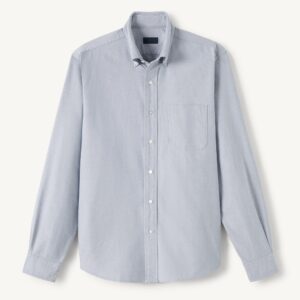
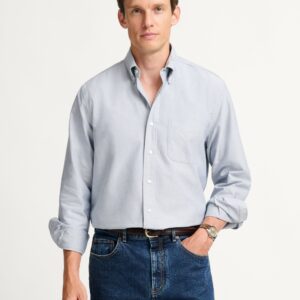
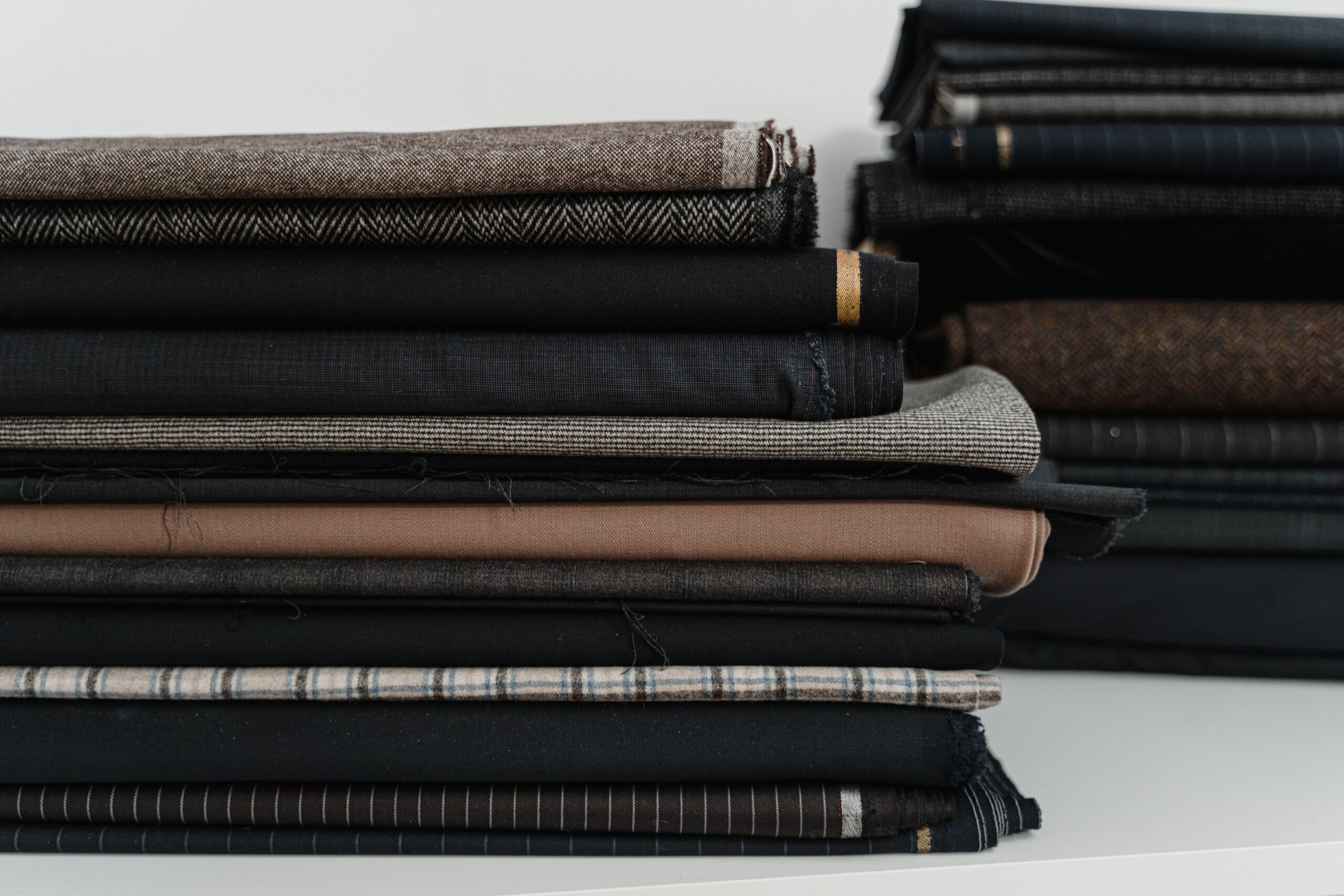
So the first question asked about any garment before it is stocked is where the water goes and how quickly it leaves. Weave and weight decide most of it. Poplin sheds a splash and dries evenly instead of in patches. Open weaves — end-on-end, oxford, tropical wool — let air through, and air movement is half of drying. Brushed cotton is excellent on a cold dry morning and poor once damp, so it is stocked for cool dry days, not wet ones.
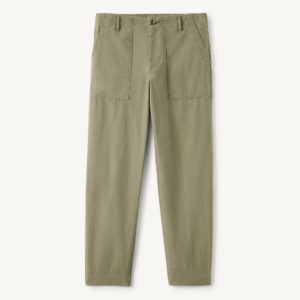
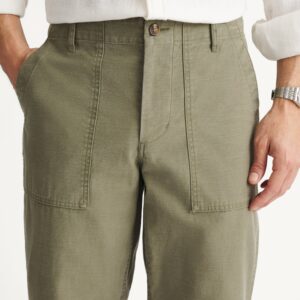
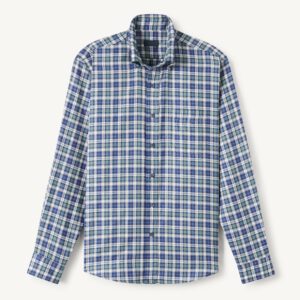
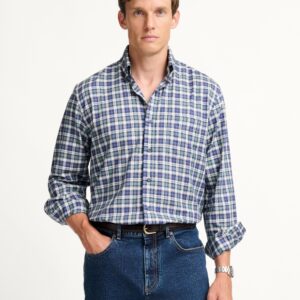
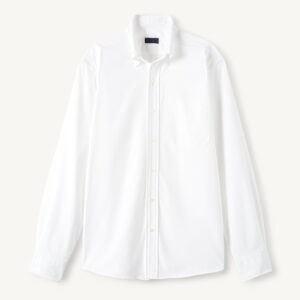
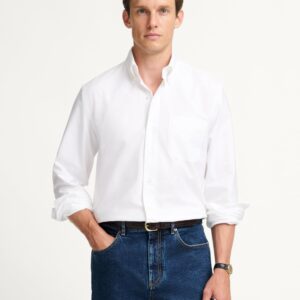
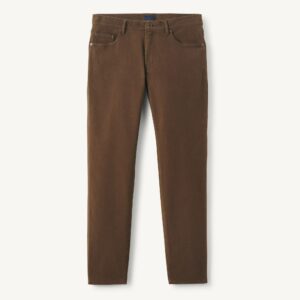
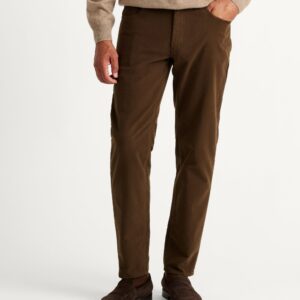
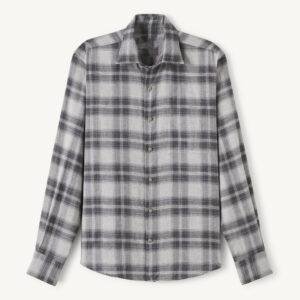
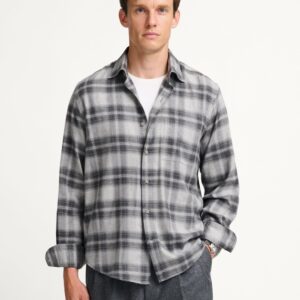
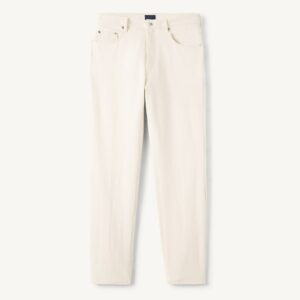
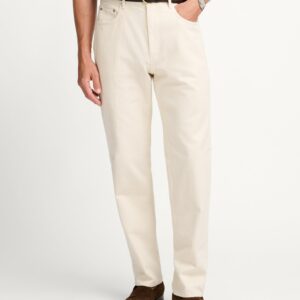
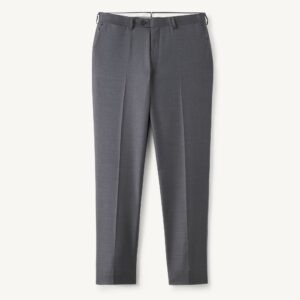
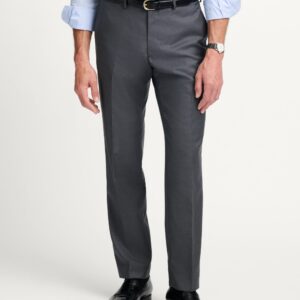
Shirts run light poplin and end-on-end for warm months, mid-weight twill through the middle, brushed cotton at the heavy end — long sleeves throughout, cuffs that close properly, a collar that lies flat under a jacket instead of bunching at the shoulder. Trousers run tropical wool where the day is long and warm, cotton twill for general wear, heavier wool blend through winter. Waist and inseam are listed separately, so length is a choice rather than an accident.
Seat, inseam junction and pocket corners — flat-felled or bar-tacked.
Interlining that holds a collar point flat, and a cuff that closes without gapping at the wrist.
Buttons with enough shank for the cloth, and a hook, bar and zip on the trouser that sit flat under a shirt.
Depth measured against how a hand reaches, and hem allowance left to let a leg down. A pocket that empties itself when you sit down is decoration.
Recorded in ounces wherever the mill states it.
A size stays listed only while it is genuinely in stock.