What an Ounce Number Means
Fabric weight is the weight of one square yard of the cloth. A 12 oz canvas means a square yard of that canvas weighs twelve ounces. Some listings use grams per square meter instead, and the rough conversion is one ounce per square yard to about 34 grams per square meter.
It is a density measurement, not a thickness measurement, though the two usually move together within the same kind of cloth.
Typical Ranges for Shirts and Pants
| Range |
Where It Sits |
How It Feels |
| 4 to 5 oz |
Light shirting |
Breathes freely, dries fast, shows a wrinkle |
| 6 to 8 oz |
Mid-weight shirting and light pants |
Holds shape, works across most of the year |
| 9 to 11 oz |
Standard work pants |
Substantial, softens with wear, takes a knock |
| 12 oz and up |
Canvas and heavy duck |
Stiff at first, takes weeks to break in, wears for years |
Flannel sits slightly outside this, because brushing raises a nap that traps air without adding much weight. A 7 oz flannel feels warmer than a 7 oz plain weave for that reason.
Weight Is Not the Same as Weave
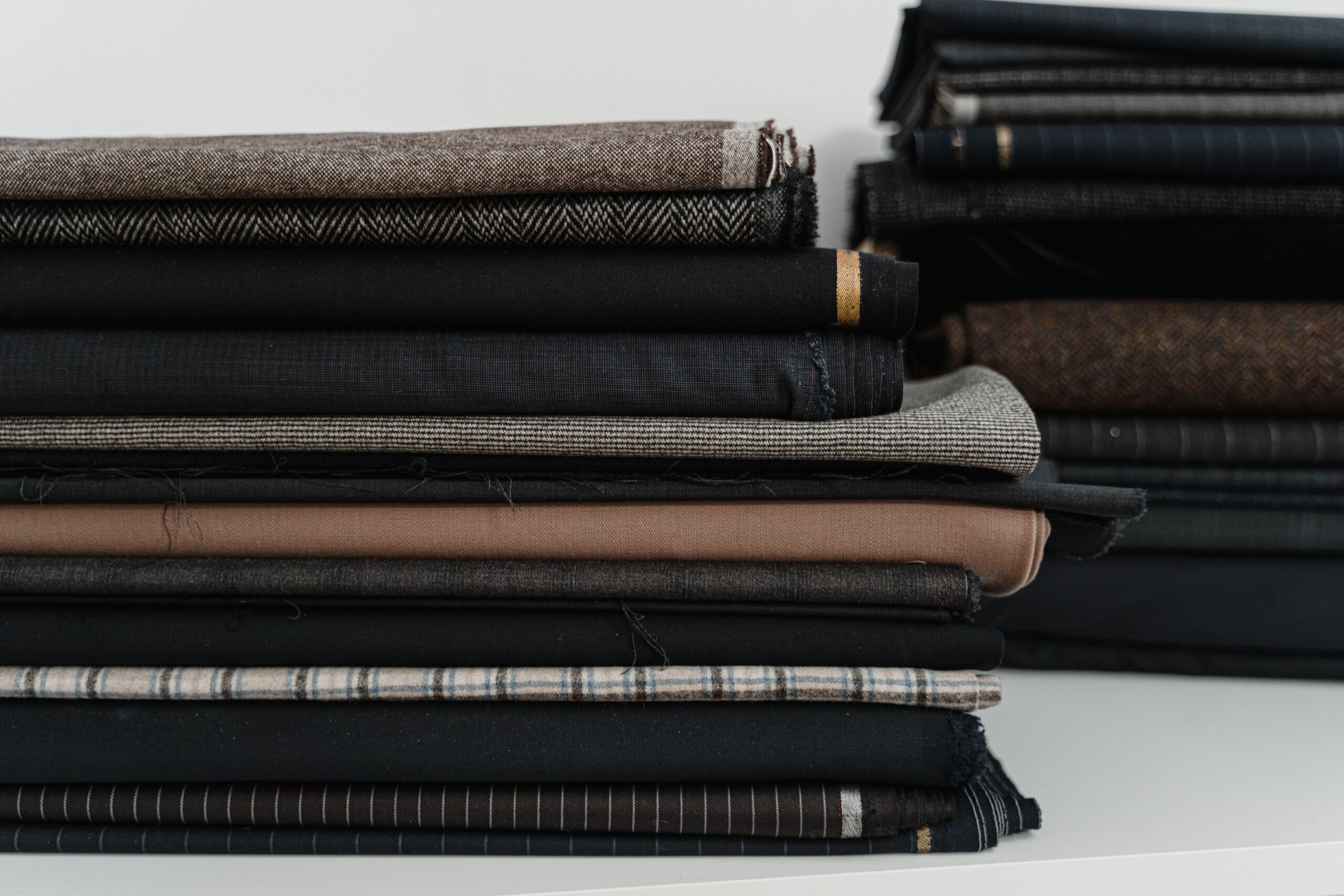
Two fabrics at the same weight behave differently depending on how the yarn is arranged. Twill runs a diagonal line that lets the cloth flex and shed dirt. Plain weave is flatter, cooler, and creases more readily. Ripstop lays a reinforcing grid through the weave so a small tear stops instead of running.
So read the two together. A 9 oz ripstop and a 9 oz canvas will not feel like relatives, even on paper.
Heavier Is Not Automatically the Right Choice
A heavy fabric resists abrasion and lasts a long time, and it also holds heat, restricts movement until it breaks in, and takes considerably longer to dry once it gets wet. On a hot day or in a job with a lot of climbing, that trade goes the wrong way.
Match the weight to the work rather than to a general belief that more is safer. Heavy canvas for kneeling and dragging, mid-weight twill for general work, light weaves for heat.
Weight and Drying Time
A dense fabric holds more water simply because there is more fiber to hold it. That is why a soaked canvas pant stays cold and heavy through an afternoon while a lighter twill is nearly dry by lunch. If your work involves regular wet exposure, weight is working against you and the weave has to carry the durability instead.
This is the reasoning behind how we choose what to stock, which we set out on our About Us page.
Finding the Weight When It Is Not Listed
If a listing gives no number, three rough checks help. Hold the fabric to a light and see how much comes through. Bunch a section in your fist and feel whether it springs back or stays compressed. And weigh the whole garment on a kitchen scale, then compare it to something in your closet whose weight you already know.
None of that is precise, but it will place a fabric in the right band, which is usually all the decision needs.
Thank you for shopping with us, and for the kind of workday these clothes are meant to keep up with.